
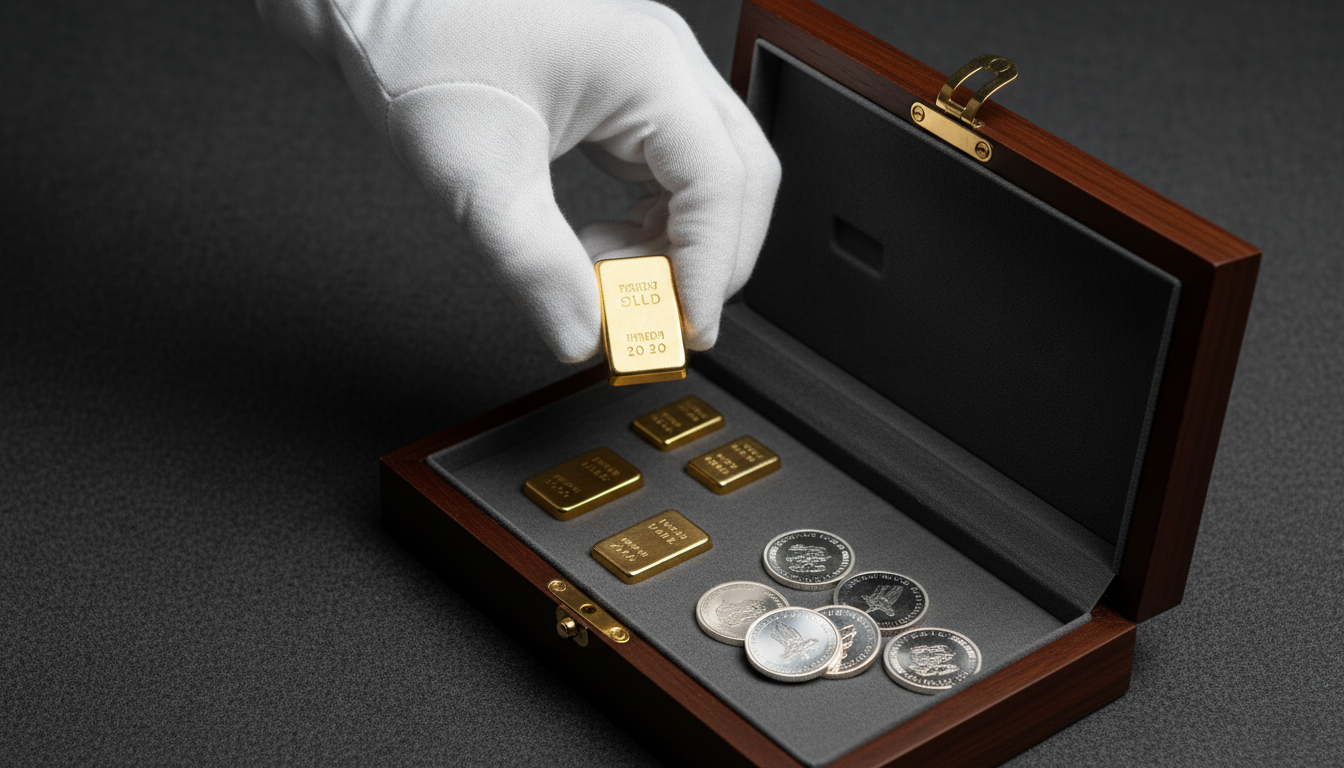
My interest in gold and silver is practical: I want to understand what I own, how I can trade it and what it might eventually buy. After using several providers, I care as much about the process as I do about the price. This article explains my personal approach. For a step-by-step purchasing checklist, start with the separate guide linked below.
What using different providers taught me
I have bought through BullionVault, Kinesis, GoldBroker, Goldmoney and GoldSilver. That gave me different experiences of getting an account opened, placing trades and choosing how the metal is held. It also taught me that convenience and confidence are not the same thing.
BullionVault has been the easiest and fastest for me. If I want to adjust the balance of my gold and silver, being able to work through a trading interface is useful. With Goldmoney, I found getting started more difficult, yet my personal trust in the service is high. An inconvenient onboarding process is not by itself proof of poor custody, just as a smooth website is not proof of strong custody.
Why I think about resale at the start
A purchase is only one part of the journey. Before adding to a holding, I want to know how I can reverse the decision, what the spread is likely to mean and what other costs apply. That is especially relevant to my approach because I may exchange one metal for another rather than simply hold the same product forever.
A particular coin may be appealing to own, but a collection is a different project from accumulating metal for a future financial decision. I try to be clear about which objective I am pursuing. Where I use vaulted bullion, the attraction is avoiding the need to arrange a physical shipment each time I change the holding.
What the Estonia experience reminds me
I previously bought silver in Estonia when the purchasing arrangements available to me were different. I do not treat that past experience as a current tax strategy. Rules change, and the treatment of a purchase in one place does not settle the obligations that apply when metal is delivered somewhere else.
That is why a comparison should identify the actual transaction: bullion that stays in a qualifying vault, a shipment to a home address, or metal collected in person. Saying that a company sells silver without tax can conceal those important differences.
Why I separate experience from expectations
I have strong expectations about the economic outlook, but I cannot know the next market move. An observation about how a platform worked for me is different from a view about how gold and silver might perform. Readers should be able to tell which kind of statement they are reading.
The same discipline applies to performance examples. Owning more ounces after an exchange does not automatically mean I doubled my wealth in dollars. The original cost, the prices at each trade and all fees are needed to evaluate the actual result.
Where to go next
Start with the Buygold guide to gold and silver for the full structure. Use how to buy gold and silver for the practical checklist, or compare the providers I have used. My experience is a starting point for your questions, not a substitute for reading the terms that apply to your own purchase.
About commercial links: I have affiliate relationships with BullionVault, Kinesis and GoldBroker. The comparison page identifies referral links. This article is personal experience and general education, not personalised financial advice.
Leave a Reply